Laravel vs. NativePHP: A Detailed Guide for Modern App Development

Laravel vs. NativePHP: A Detailed Guide for Modern App Development

This article compares Laravel and NativePHP by explaining each technology’s strengths and ideal use-cases. Laravel excels at building structured, scalable web applications — with features like routing, security, database management and scalable backend — while NativePHP enables using PHP to build desktop and mobile apps without learning new languages. By discussing key differences in performance, target project types, and development workflows, the guide helps you choose the right stack based on your project’s requirements.

NativePHP: Build Desktop Applications with PHP

NativePHP: Build Desktop Applications with PHP

This article introduces NativePHP — a framework that allows developers to build native desktop applications using PHP (and optionally Laravel). It explains how NativePHP packages PHP code into a desktop-compatible environment, giving access to native OS features like windows, menus, notifications and file access. With NativePHP, PHP developers can reuse their existing skills to rapidly create desktop software across Windows, macOS and Linux, making development simpler, faster and more cost-effective.

NativePHP & Mobile Apps: The Future of PHP-Powered Mobile Development

NativePHP & Mobile Apps: The Future of PHP-Powered Mobile Development

This article explains how NativePHP opens the door for PHP developers to build native mobile applications without learning Java, Kotlin, or Swift. It outlines how NativePHP leverages existing PHP (and Laravel) codebases to create performant, multiplatform mobile apps for iOS and Android — making mobile app development faster, cost-effective and accessible for teams familiar with PHP.

The New Standard for Accessibility and Performance: Building Inclusive Digital Experiences

The New Standard for Accessibility and Performance: Building Inclusive Digital Experiences

Accessibility and performance go hand in hand in today’s digital world. A fast website that isn’t accessible leaves users behind, while an accessible one that loads slowly still falls short. True digital success means building inclusive, high-performing experiences that serve everyone effectively. At Web Mavens, we focus on accessible web performance optimization—a process that improves usability, speed, and SEO all at once. From semantic HTML and optimized media to real-world testing and continuous audits, the goal is to create sites that are compliant, fast, and genuinely user-friendly. When accessibility and performance work together, you build trust, strengthen your brand, and future-proof your digital presence for every visitor.

Future-Proofing Enterprise Web Apps: Why Laravel Still Leads in 2025

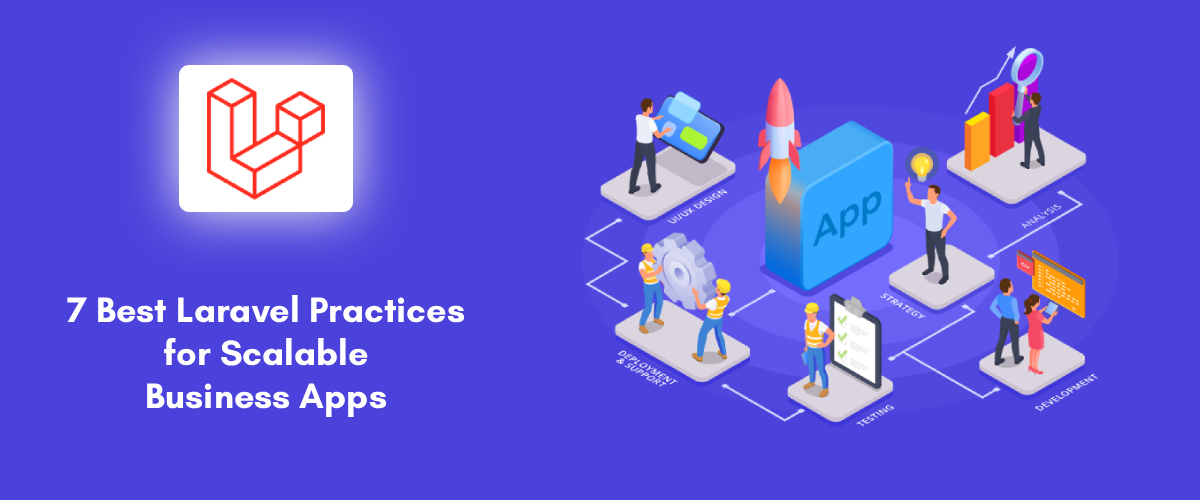
Future-Proofing Enterprise Web Apps: Why Laravel Still Leads in 2025

In 2025, Laravel remains a top choice for enterprise web apps thanks to its stability, scalability, and performance. With tools like Octane for speed, Vapor for serverless scalability, and Reverb for real-time features, it helps businesses build secure, future-ready systems. For teams focused on long-term reliability and efficiency, Laravel delivers the balance enterprises need to grow and innovate with confidence.

Web Performance in 2025: How Serverless, Edge Computing, and Motion UI Are Changing User Experience

Web Performance in 2025: How Serverless, Edge Computing, and Motion UI Are Changing User Experience

In 2025, web performance is a product decision that directly impacts conversion, retention, and user satisfaction. Combining serverless edge functions, edge computing for web performance, and Motion UI allows teams to deliver fast, responsive, and visually engaging experiences even on unreliable networks. Edge computing reduces latency for personalization, API aggregation, and asset optimization, while Motion UI guides users and reduces cognitive load when implemented thoughtfully. Performance should be measured with Core Web Vitals and Real User Monitoring (RUM) to ensure real-world improvements. Teams can quickly improve speed by deploying edge functions for lightweight logic, transforming images and videos at the edge, enabling HTTP/3, and refining animations. Performance in 2025 is not just a technical concern—it is a strategic lever for product and marketing success.

Prefetching and Route Optimization: Quick Wins for React & Next.js Apps

Prefetching and Route Optimization: Quick Wins for React & Next.js Apps

Prefetching and route optimization enhance the performance of React and Next.js apps by loading resources in advance and delivering only what’s needed. These techniques reduce load times, improve Core Web Vitals, enhance user experience, and boost engagement and conversions. Simple tweaks, such as <Link> prefetching, router.prefetch(), and dynamic imports, can yield immediate results.

AI Personalization for Startup Websites: The Conversion Engine of 2025

AI Personalization for Startup Websites: The Conversion Engine of 2025

By 2025, AI-powered website personalization is essential for startup growth. Personalized content, CTAs, and recommendations can boost revenue per visitor by 40% and lead generation by 29%. Startups that act now gain higher conversions and a competitive edge, while those who ignore personalization risk falling behind.

Laravel for Shopify: The Ideal Backend Solution

Laravel for Shopify: The Ideal Backend Solution

Adding a few plugins and picking a gorgeous front-end theme are no longer enough to build a successful Shopify store.

Some Useful Travel Apps

Some Useful Travel Apps

Travelers rely on their cell phones more than ever when it comes to planning and taking a holiday. Travel apps are not just a great way to get ideas for trips, but they're also great for booking and organizing logistics.

Mobile-Friendly vs. Mobile-Optimized vs. Responsive Design

Mobile-Friendly vs. Mobile-Optimized vs. Responsive Design

Making a website mobile-friendly is at the top of the list of requests from businesses looking to launch a new site. There is, however, a slew of terminology associated with mobile devices.

Single Page Application vs. Multiple Page Application

Single Page Application vs. Multiple Page Application

With the introduction of newer technology, the web world has changed dramatically. Browsers used to be far less capable than they are now. The performance of JavaScript was bad, and each page was served by a server.

What Does A Web Design Company Do?

What Does A Web Design Company Do?

It isn't easy to imagine a modern company that doesn't have a website design and a smartphone app. Every domain is rich with businesses competing with each other by developing highly engaging websites and applications, from hospitality and retail to manufacturing and education.

UX & UI: How They Work Together In Web Design

UX & UI: How They Work Together In Web Design

UX & UI are two words that often get interchange but have somewhat different meanings. So, what's the difference between the two? We call user experience design as UX design, while user interface design as UI design.